
The Reality
The reality is that leadership, executive, and C-suite positions are rarely attained through tenure, ambition, certifications, or desire alone. They require the continuous development and demonstration of:
- a) Technical and professional competence;
- b) Leadership capability;
- c) Strategic thinking;
- d) Sound judgement;
- e) Problem-solving ability;
- f) Effective communication skills;
- g) Stakeholder and conflict management capabilities, including engagement with boards, executives, regulators, strategic partners, and other external stakeholders;
- h) A consistent track record of delivering measurable results; and
- i) The ability to create sustainable value at increasingly higher levels of responsibility.
Developing these capabilities strengthens professional credibility, leadership effectiveness, and long-term employability.
More importantly, these capabilities equip individuals with the capacity to develop entrepreneurship mindset – ability to create value independently such as confidence to establish and successfully run their own business when paid employment is no longer available.
Unfortunately, many professionals realise years into their careers that they have reached a plateau.
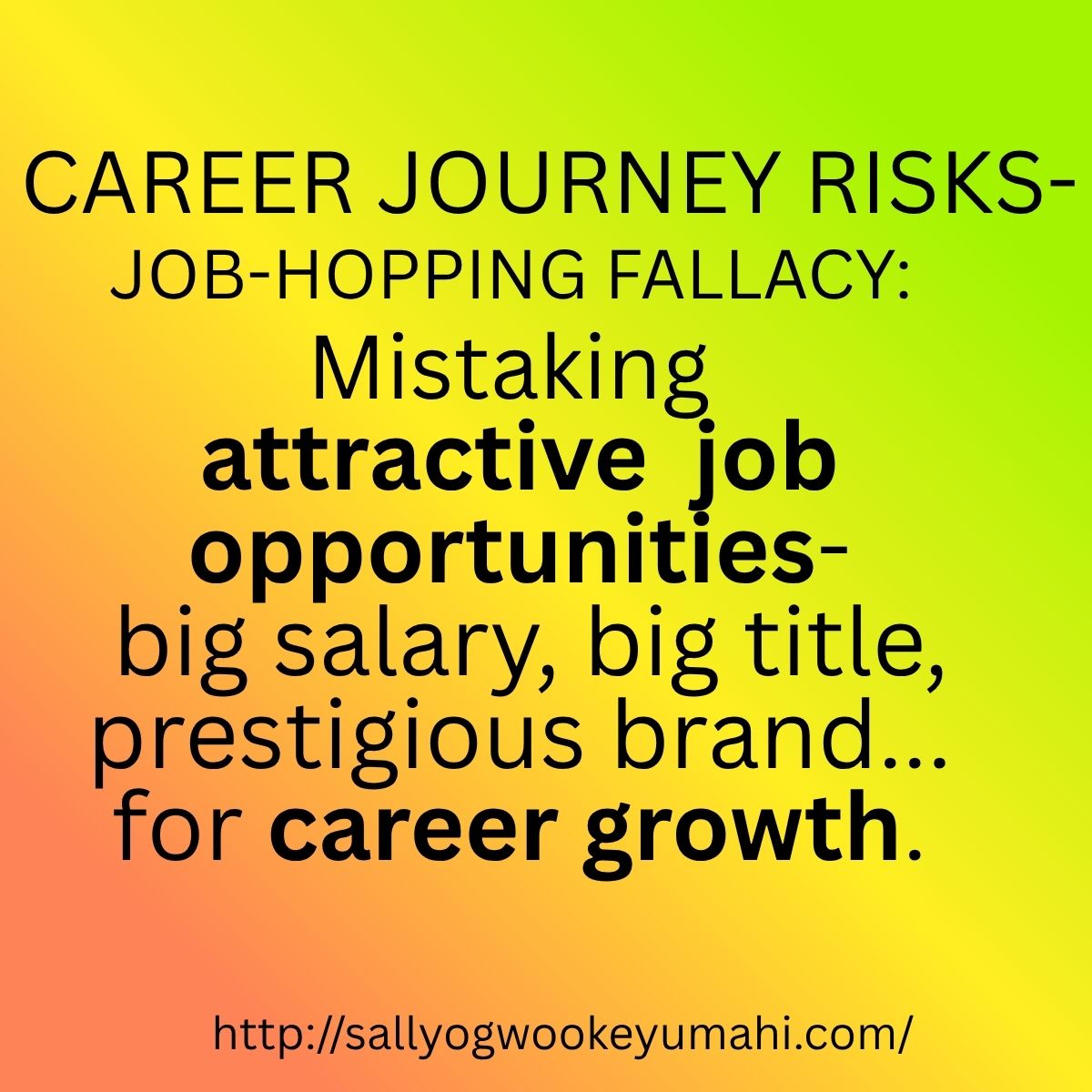
In many cases, this situation can be traced to decisions made early in their careers—decisions driven primarily by the urgency to secure employment or an excessive focus on titles, compensation, prestige, and rapid promotions, rather than the deliberate development of competence, expertise, and professional credibility.
When such individuals pursue leadership or executive positions, whether through promotion or external opportunity, they often discover that their qualifications, experience, and capabilities do not fully align with the expectations of the role. This gap can result in:
- a) Disappointment;
- b) Poor interview performance;
- c) Limited career mobility;
- d) Missed opportunities; and
- e) Difficulty achieving long-term professional goals.
In some cases, even after securing the position, meeting performance expectations may prove challenging, potentially affecting credibility, professional reputation, and job security.
The fear of failure can sometimes cause individuals to become overly political, defensive, territorial, or excessively focused on self-preservation rather than value creation and organisational success.
General Perceptions around Job-Hopping
From a recruitment perspective, frequent job-hopping pattern when visible in candidates’ CVs create credibility concerns, including
a) perceptions of being a “jack of all trades, master of none”;
b) Concerns about patience, empathy, retention, commitment, and long-term engagement;
c) A sense of entitlement not supported by demonstrated competence;
d) Limited appreciation of organisational needs beyond personal interests; and
e) A short-term mindset characterised by distraction, lack of focus, and insufficient appreciation of the bigger picture
A candidate with a history of frequent job hopping is generally less likely to be invited for job interviews, and even when shortlisted, may have a reduced likelihood of receiving a job offer due to the concerns highlighted above.
