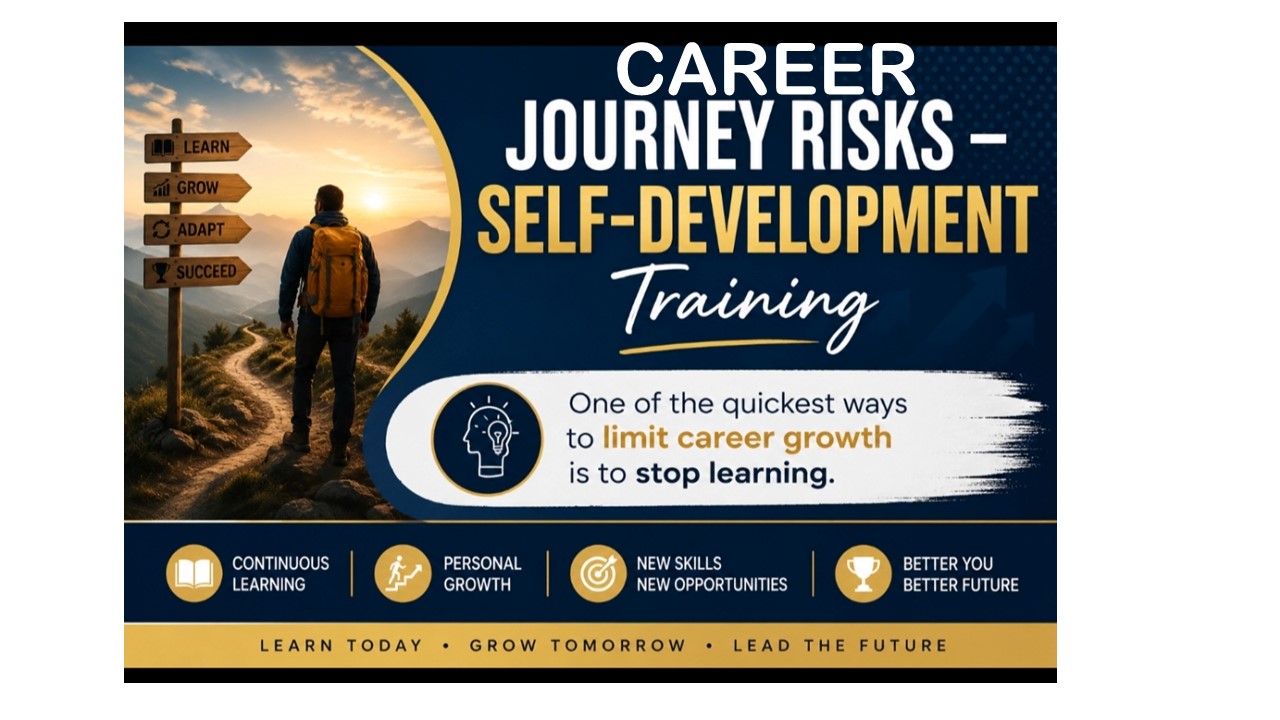

So, what should you be learning?
Technical competence may get you hired, but soft skills often determine whether you retain your job, excel in it, and earn promotions
1. Technical Skills
Competencies that are directly relevant to your profession. You must always stay current with emerging technologies, regulations, tools and best practices in your profession and industry. Examples include:
- Sales and Marketing
- Finance and Accounting
- Internal Audit
- Corporate Governance
- Risk Management
- Regulatory Compliance
- Procurement
- Information Technology
- Project Management
- Human Resources
Continuous improvement in your technical expertise increases your value and keeps you competitive.
.
2. Soft Skills
Soft skills are the personal, interpersonal, and behavioural competencies that enable you to work effectively with others and succeed in the workplace. While technical skills may secure an interview, soft skills often determine career success. Examples of Soft skills are: Leadership skills, Conceptual Skills and Etiquettes.
a) Leadership Skills
Leadership is not just about managing people—it begins with leading yourself.
The principle is simple:You cannot effectively lead others if you cannot first lead yourself.
Develop competencies that help you influence people, inspire confidence, and create positive impact.
Examples include of training areas to develop are:
- Self-leadership and self-discipline
- Effective communication
- Emotional intelligence
- Relationship management
- Teamwork and collaboration
- Influence and persuasion
- People management
- Conflict resolution
.b) Conceptual Skills
Conceptual skills determine how well you think, analyse, solve problems, and make decisions. Professionals with strong conceptual abilities are trusted because they can see the bigger picture and provide sound judgement. Focus on developing competencies such as:
- Continuous improvement mindset.
- Strategic thinking.
- Critical and analytical thinking.
- Professional scepticism.
- Problem-solving.
- Decision-making.
- Sound judgement.
- Ownership and initiative.
- Innovation.
c) Professional and Social Etiquettes:
Professional and social etiquette is about self-care and self-management—the habits, behaviours, and standards that shape your professionalism and influence how others perceive you. It encompasses the folowing:
- Poise – Remaining calm, confident, and composed, especially under pressure.
- Style – Your appearance, communication, behaviour, and personal brand.
- Healthy Habits – Maintaining practices that support your physical, mental, and emotional well-being, enabling consistent professional performance.
- Personal Hygiene – Demonstrating cleanliness, grooming, and attention to personal care.
- Professional Image – How you present yourself, communicate, and conduct yourself every day, both in person and virtually.
These qualities enhance your credibility, strengthen relationships, build trust, and reinforce your professional reputation. While competence may open doors, professionalism and good etiquette help keep them open.
The adage “our competence may open doors, but your professionalism keeps them open” demonstrates the importance of professional etiquette. This certainly means that poor etiquette can undermine competence, damage credibility, weaken relationships, and limit career opportunities.
Areas worth developing skills include:
- Professional appearance and personal branding
- Personal hygiene and grooming
- Table etiquette
- Meeting room etiquette
- Telephone etiquette
- Virtual meeting etiquette
- Respectful communication
- Workplace behaviour and professionalism
These competencies distinguish professionals who simply perform assigned tasks from those who create value, solve business problems, and become trusted advisers and strategic partners
Conclusion
Your qualifications and experience may get your CV shortlisted, but your commitment to continuous learning demonstrates initiative, adaptability, resilience, professionalism, and a growth mindset—qualities every employer admires.
Your greatest competitive advantage is not what you learned years ago. It is your willingness to keep learning, growing, adapting, and remaining relevant in an ever-changing world.
Before you update your CV for your next job application, update yourself first.
What are your thoughts?
I’d love to hear your reactions, comments, and questions.
To read more of my articles, visit: https://sallyogwookeyumahi.com/
#CareerSuccess #ContinuousLearning #ProfessionalDevelopment #CareerGrowth #Leadership #Employability #PersonalDevelopment #JobSeekers #LearningAndDevelopment #GrowthMindset
To read my other writeups, please click htpps://sallyogwookeyumahi.com/
#careersuccess
